
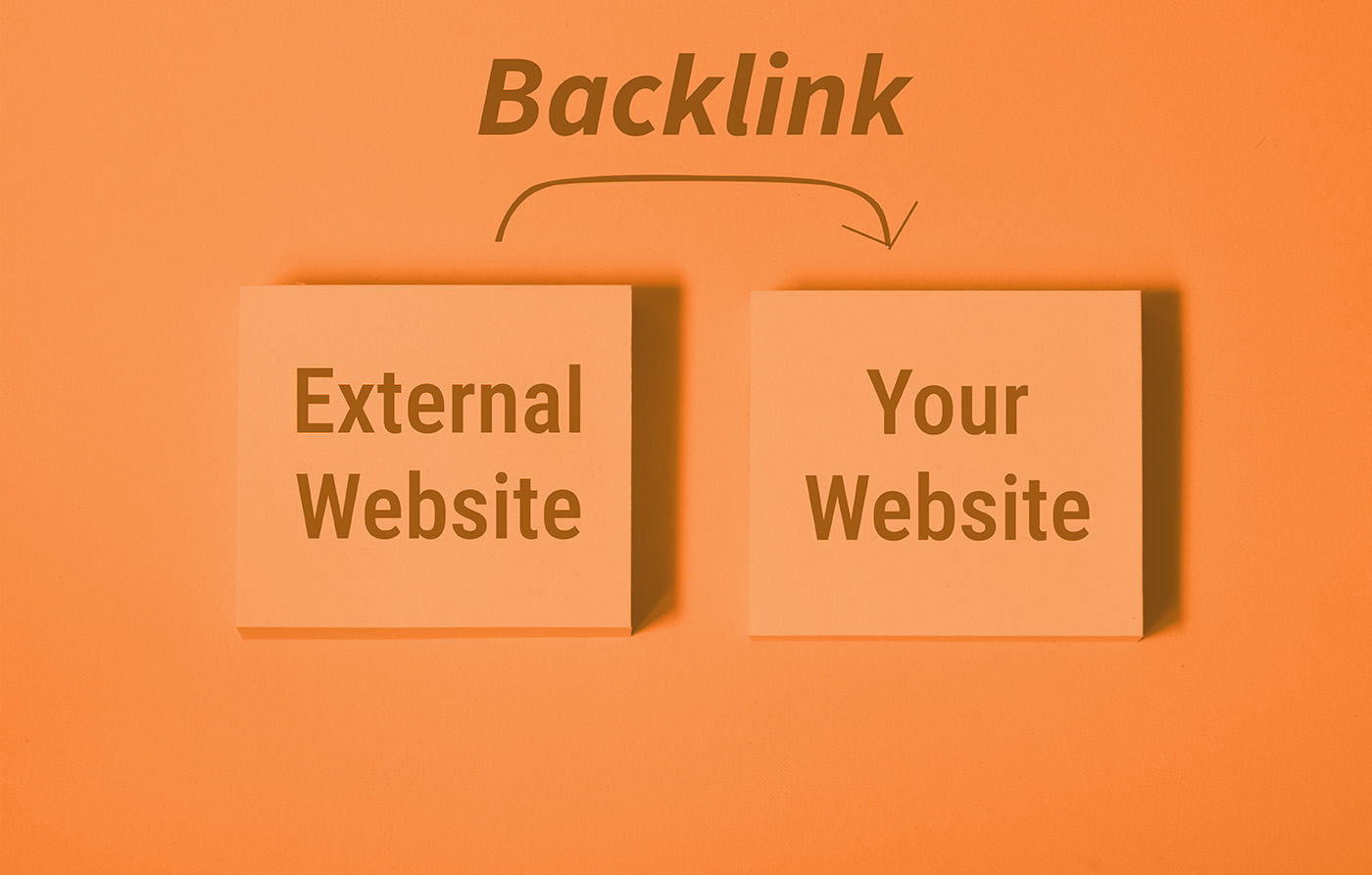
Backlinks are one of the strongest and most important signals in SEO. Despite a huge shift in organic search, on average, links still hold as much weight as they did almost a decade ago, which tells you all you need to know about how important backlinks are as part of a successful marketing strategy.
However, if you’re investing time and resources into link building but your organic performance isn’t moving in the way you’d hoped, you could be making mistakes that many marketers make without even realising it.
With that in mind, here are five of the most common backlink strategy oversights to be aware of.
Domain rating, domain authority, and other similar third-party scores should be taken into account, but you shouldn’t be focusing on these metrics above all else.
Google understands context a lot better than it did a decade or so ago, and in its attempts to ensure the search results are filled with genuinely helpful content, it now prioritises relevance. Because of this, a high-authority website with thousands of visitors can be beneficial, but if we were to pick between that and a website with less authority and traffic but more relevance to the niche, we’d most likely pick the latter.
You should focus on finding the relevant sites first, then filter based on domain authority and traffic.
Using the same exact phrase over and over can cause your backlink profile to look a little suspicious. Websites don’t get hundreds of backlinks using the exact same anchor text, so to keep things natural. You need to use a mixture of brand names, URLs, generic phrases, partial-match anchors, and descriptive text.
It is easy to get bogged down by this and attempt to work out how often you’ve used a certain type of anchor text to keep things even, but there’s no need. As long as your backlink profile looks natural, it’s fine.
As the homepage is usually the strongest page on a website, many marketers assume that this is the best page to build links to. However, spending months securing good quality backlinks only to send the majority to the homepage might not be the best tactic.
This isn’t to say you shouldn’t build links to your homepage, you can and should, but it’s also important to consider which other pages actually need authority.
Product pages, service pages, and high-value blogs that need a little push are ideal candidates for backlinks. And these pages may only take a few great links to make a huge difference too, so it’s often less effort for more reward.
If you're creating content just because you think it will attract backlinks, you might succeed in getting links, but these probably won’t attract the right audience or support your overall SEO and marketing strategy goals.
You should be thinking of link opportunities when planning content so you’re producing assets that other publications actually want to reference to.
Knowing how many links you’ve earned in a certain timeframe can look good on reports. But what’s more useful and important to know is what effect those backlinks had on organic traffic, rankings, lead generation, and overall SERP visibility.
You should be tracking metrics like:
When you dive a little deeper, you might find that 10 highly relevant links from genuinely useful websites are outperforming 100 low-value placements.
Link building isn’t about getting as many links as possible, it’s about improving your website’s ability to perform in the search results. The metrics you track, report on, and use to inform your strategy need to reflect this.
If you don’t know where to start or you’re struggling to get the results you’d hoped for, don’t hesitate to get in touch with us today.


